-
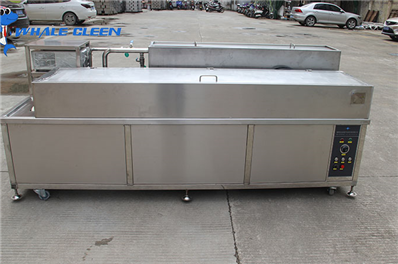 Ultrasonic Cleaning Technology: Revolutionizing Efficiency in the Plastics Industry
Ultrasonic cleaning technology has emerged as a pivotal solution to address the cleaning challenges prevalent in the plastics industry. In the production and processing of plastic products, the accumulation of various contaminants on the surfaces poses a
-
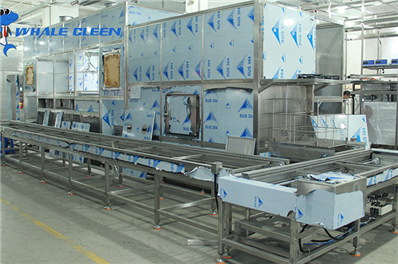 Ultrasonic Cleaning Machine for Aerospace Components: From High-Risk Traditional Methods to Non-Contact Degreasing That Safeguards Flight Safety
In the high-stakes world of aviation maintenance, cleaning is far from a routine chore — it is a direct pillar of flight safety. A single turbine blade contaminated with baked-on carbon deposits, a fuel nozzle with partially clogged orifices, or a hydraul
-
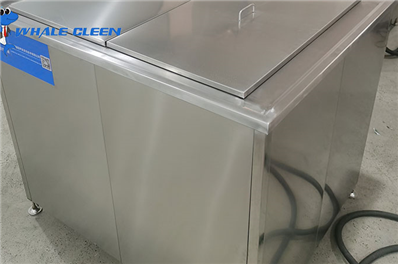 The Extensive Applications of Ultrasonic Cleaning Machines in the Chemical Industry
Ultrasonic cleaning machines have become indispensable tools in various industrial sectors, and their significance in the chemical industry is particularly noteworthy. The ability of these machines to provide thorough and efficient cleaning solutions has
-
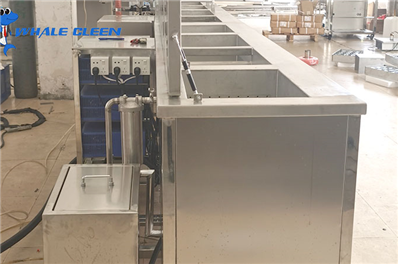 Addressing Pharmaceutical Cleaning Challenges with Ultrasonic Cleaning Technology
Introduction The pharmaceutical industry faces unique cleaning challenges due to stringent regulations, the need for high levels of cleanliness, and the necessity to prevent contamination in drug production. Ultrasonic cleaning technology has emerged a
-
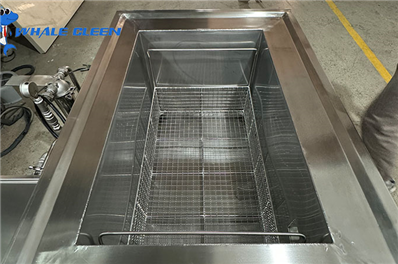 The Apex of Clean Tech: Ultrasonic Cleaners and Their Unmatched Hygiene Safety
In an era where hygiene and cleanliness have become paramount across industries, from healthcare to manufacturing, ensuring impeccable cleaning standards is crucial for both safety and performance. Ultrasonic cleaners have emerged as one of the most advan
-
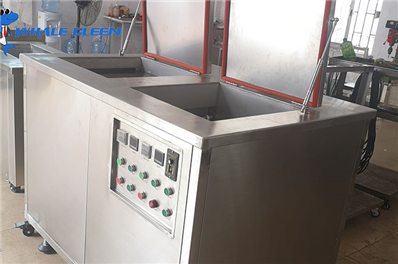 Ultrasonic Cleaning Equipment: The Optimal Choice for Cleaning Plastic Molds
Plastic molds play a crucial role in the manufacturing industry, producing a wide array of plastic products used in everyday life. Maintaining these molds is essential to ensure the quality and precision of the produced items. Traditional cleaning methods
-
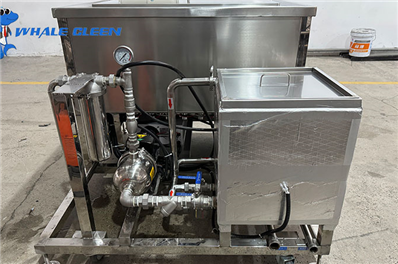 Optimizing Drying Time in Ultrasonic Cleaning Machines: Factors, Techniques, and Best Practices
Ultrasonic cleaning machines are widely used in various industries for their ability to efficiently remove contaminants from surfaces through the use of ultrasonic waves. However, after the cleaning process, it's crucial to ensure proper drying to pre
-
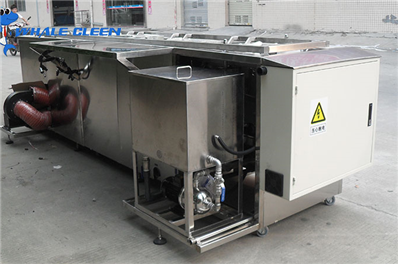 Ultrasonic Cleaning Technology: Elevating Metal Part Quality and Assembly Efficiency
Cleaning metal parts is a crucial step in various industries, directly influencing the quality of components and the overall assembly process. To ensure top-notch quality and optimal assembly performance of metal parts, ultrasonic cleaning technology has
-
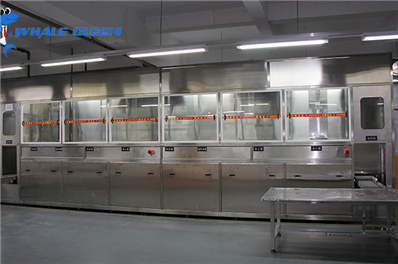 Ultrasonic Cleaning for Metal Storage Tanks: Ensuring Hygiene and Quality
Cleaning metal storage tanks is a crucial process to ensure the hygiene and storage quality of the tanks. Over time, metal tanks can accumulate deposits, residues, and various contaminants on their inner walls, which can impact the integrity of the stored
-
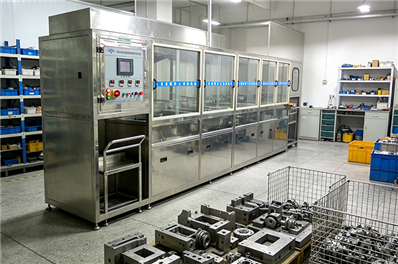 One Ultrasonic Machine, Three Critical Cleaning Tasks – Can It Really Handle Silicon Material, Solar Cells, and Terminal Blocks in One Go?
In photovoltaic manufacturing, semiconductor fabrication, and electronic component production, cleaning is never a single-step affair. Different materials, different contaminants, and different surface sensitivities demand different approaches – or so the
-
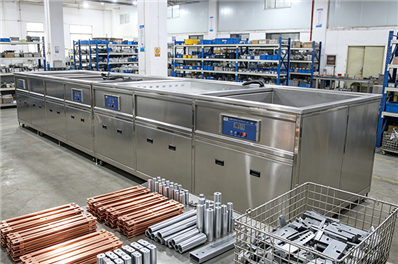 Automotive Parts Cleaning Equipment Manufacturer: Selecting the Right Ultrasonic Cleaning Partner
In the automotive industry, from engine components and transmission parts to braking systems and chassis elements, the cleanliness of parts is directly linked to performance, reliability, and safety. Manufacturing processes like machining, grinding, and s
-
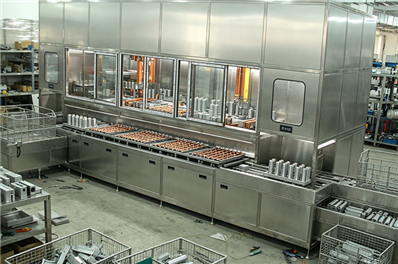 The Milling Cutter & Tap Cleaning Secret: Why Ultrasonic Outperforms Manual Methods
In any precision machining environment, the cleanliness of cutting tools like milling cutters and taps is directly linked to part quality, tool life, and production stability. Yet, the most common cleaning method—manual scrubbing with brushes, cloths, or